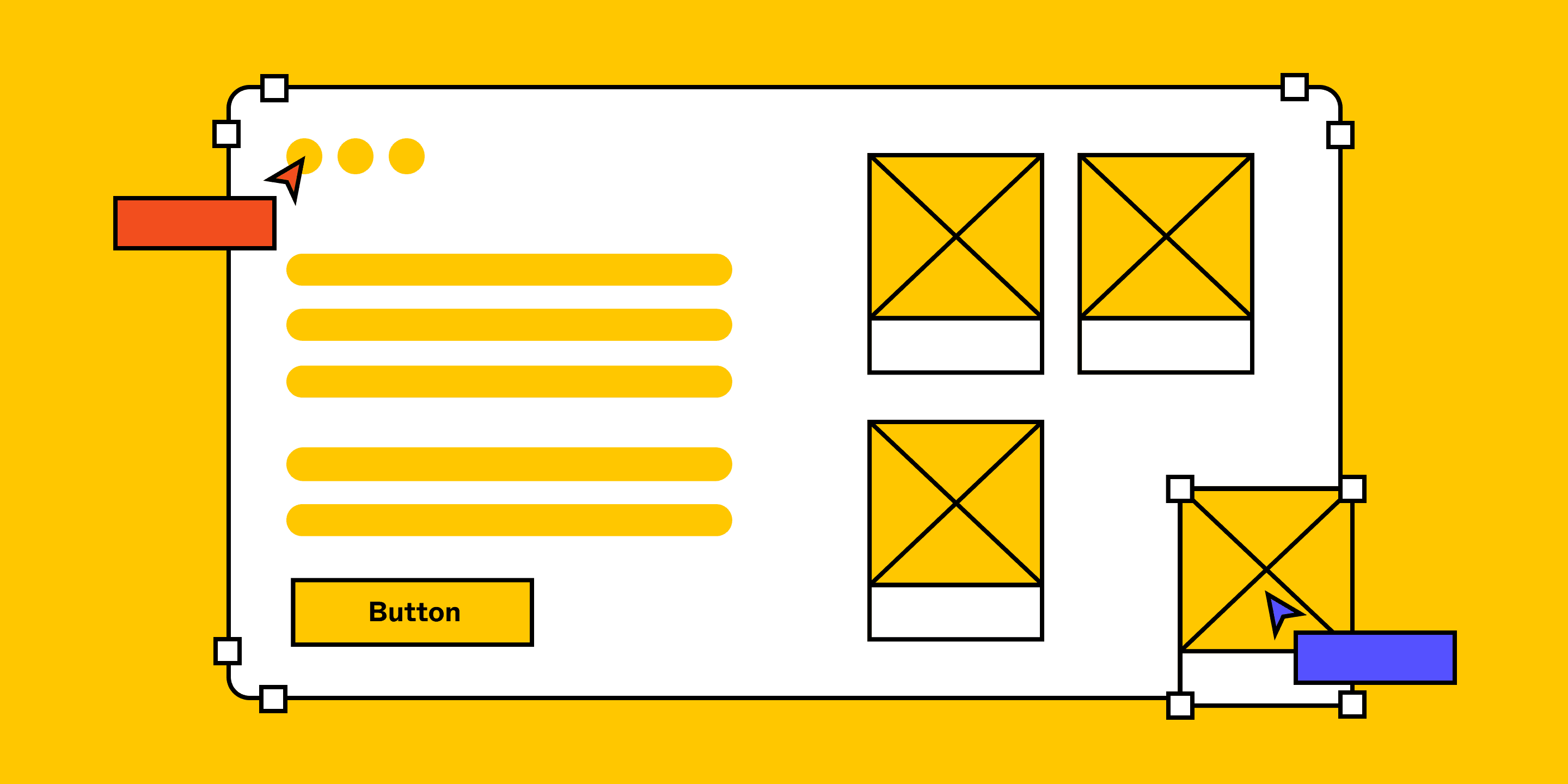
Wireframing is an indispensable part of website design that provides a visual guide of the site’s layout and functionality. By creating wireframes, designers can outline the placement of elements like navigation, content blocks, and interactive features without getting distracted by design aesthetics.
Key Benefits of Wireframing:
1. Clear Communication of Ideas
Wireframes serve as a common language between designers, developers, and clients. They eliminate ambiguity by providing a visual reference that shows what the website will look like and how it will function. This ensures all stakeholders are aligned before moving into development.
2. Identifying User Experience (UX) Flaws
Wireframing enables teams to test different layouts and flows without the distractions of color schemes or typography. This helps pinpoint potential UX issues early, such as complicated navigation paths or poor content hierarchy, so they can be addressed before heavy development work begins.
3. Efficient Iteration and Feedback
Wireframes make it easier to collect and implement feedback. Adjustments can be made quickly and cost-effectively in this low-fidelity stage, compared to the high costs and time required to revise a fully developed website.
4. Focus on Functionality Over Aesthetics
Wireframes focus on content structure and functionality rather than visuals. This keeps teams grounded in designing an intuitive user journey rather than getting lost in design details like colors, fonts, and images too early in the process.
5. Streamlining Development and Reducing Costs
By resolving structural and functional issues in wireframes, the development phase can be more streamlined. Developers have a clear understanding of what needs to be built, minimizing scope creep and unexpected changes, which can save both time and money.
6. Enhanced Collaboration Across Teams
A wireframe serves as a visual guide, making it easier for cross-functional teams—including designers, developers, and content creators—to collaborate effectively. This alignment fosters a smoother workflow and ensures that everyone is working towards a common goal.
Conclusion
Wireframing is much more than a preliminary design step; it’s a crucial phase that sets the foundation for a successful website. It ensures a clear understanding of the project, facilitates early detection of issues, and results in a well-structured, user-friendly site. Skipping this step can lead to miscommunication, cost overruns, and flawed UX, making wireframing a vital practice for any web project.
Conclusion
A well-designed wireframe serves as a blueprint for a successful website or app, helping to outline the structure, layout, and user flow before the visual design phase. It ensures clarity in communication, reduces revisions, and aligns team members on project goals.

Vivek Suthar
Web Developer | CMS Web Developer | UI/UX Developer | Anjular Js | Flutter